Condo EV Charging in Los Angeles
EV Chargers · Published October 19, 2026 · Updated October 20, 2026
Planning EV charging at an LA condo or apartment? Review parking access, electrical capacity, approvals, billing, and installation before choosing equipment.
Can you install an EV charger at a Los Angeles condo?
Quick answer: It may be possible, but a condo or apartment installation needs more coordination than charging in a private garage. Start with parking rights, property-management approval, electrical capacity, and a plan for paying for the electricity. A licensed electrician should assess the proposed supply and cable route before equipment is purchased.
An assigned parking space is not proof that the nearby outlet belongs to your unit or can support vehicle charging. In Los Angeles buildings, the parking area may be supplied through common-area equipment, an individual residence's service, or a separate arrangement. Establishing that distinction early helps prevent an unsuitable installation.
Start with the parking arrangement
Ask the property manager or homeowners association whether the space is individually assigned, deeded, leased, or shared. Identify who controls the walls, columns, electrical rooms, and driveways through which wiring would pass.
For shared charging, agree on access, parking duration, and how residents report a problem. For an individually assigned charger, clarify ownership, maintenance, insurance, and what happens when a resident moves. Requirements can depend on the property documents and applicable law; obtain property-specific guidance rather than treating a general checklist as legal advice.
What should an electrician assess?
Available electrical capacity
The assessment should identify the relevant service, panel condition, existing loads, and the capacity available for charging. Spare breaker positions do not establish that the building can support another continuous load.
Review foreseeable demand as well as the first installation. A building planning several chargers needs a different approach from one resident installing a single unit. Properly designed load management may be an option, but suitability depends on the electrical system, equipment, and permitting requirements.
Distance and cable routing
The route from the supply to the parking space can affect the scope as much as the charger itself. Concrete, finished ceilings, underground runs, fire-rated assemblies, and restricted electrical rooms may require additional coordination.
Plan protection from vehicle impact and keep charging cables out of walking routes. Exterior equipment must be suitable for the location. Do not run an extension cord from a balcony or residential window to a parking space.
Equipment and connection requirements
Choose equipment compatible with the vehicle, intended use, and electrical design. A private charger and a shared station can have different access-control and networking needs. Manufacturer instructions and applicable code determine the circuit and protective equipment; there is no single breaker size suitable for every charger.
Decide who pays for the electricity
An individual meter, common-area supply, or shared network can lead to different billing arrangements. Agree on how consumption is measured and allocated before installation.
Ask about subscription fees, network connectivity in the garage, payment processing, maintenance, and who administers accounts. If equipment depends on a network, discuss what happens when connectivity or a service contract ends. A lower equipment price does not necessarily mean a lower operating cost.
Approvals and permits in the LA area
Coordinate the written scope with the property representative and the local permitting authority. Los Angeles County includes multiple jurisdictions, so a property in Burbank or Glendale may follow a different process from one in the City of Los Angeles.
Confirm the actual utility provider before investigating incentives or a new meter. Program availability and eligibility can change; do not assume a rebate applies or begin work before checking any advance-approval rules.
For buildings in Tarzana, Sherman Oaks, Encino, and nearby communities, a site visit can help define the electrical work before the association reviews a proposal.
Frequently asked questions
Can I use an existing garage outlet?
Not without checking its circuit, condition, ownership, protective devices, and suitability for the charging equipment. An outlet's physical availability is not permission or proof of electrical capacity.
Does the whole building need a panel upgrade?
Not necessarily. The answer depends on the proposed supply, calculated load, existing equipment, and installation plan. An assessment should explain whether additional capacity, circuit work, or an appropriate load-management system is needed.
What should I bring to an initial consultation?
Bring the parking-space location, property contact, available electrical drawings, charger specifications, and any association requirements. Do not open panels or enter restricted electrical rooms to collect information.
Plan condo charging with an LA electrical contractor
SM Electric Services Corp serves Los Angeles County under California contractor license #964466. Call (818) 300-2003 or request an EV charging assessment. Learn about our EV charger installation services, commercial electrical services, and dedicated-circuit planning guide.
Planning resource and image note
The Alternative Fuels Data Center's multifamily charging guide provides resources for residents, property owners, managers, and homeowner associations, including parking, service access, and billing considerations.
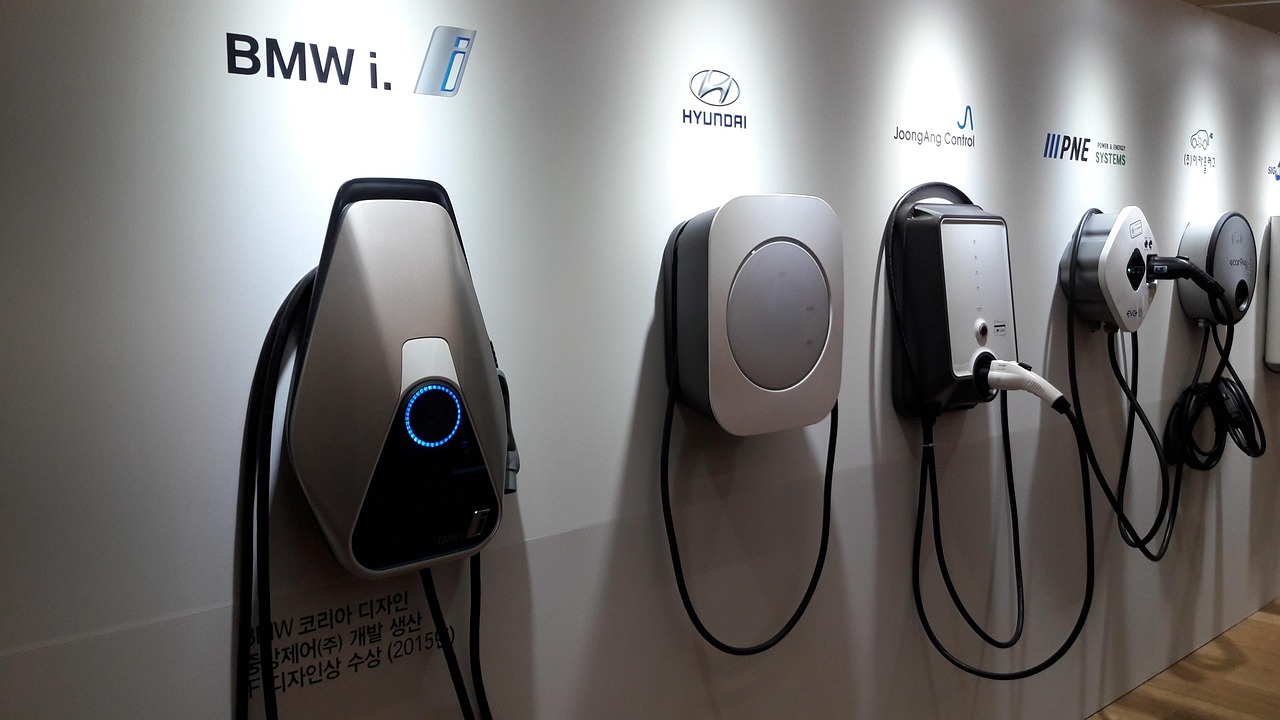
The featured charger photograph is already used on this website's EV service page. It is an illustrative stock image, not a photograph of a specific Los Angeles condo installation.
Need electrical help in LA County? Call SM Electric Services Corp at (818) 300-2003 or request a free estimate.