Understanding GFCI and AFCI Outlets: Essential Protection for Your Home
Electrical Safety · Published December 24, 2025
Learn the difference between GFCI and AFCI outlets, where they're required, and how they protect your family from electrical hazards.
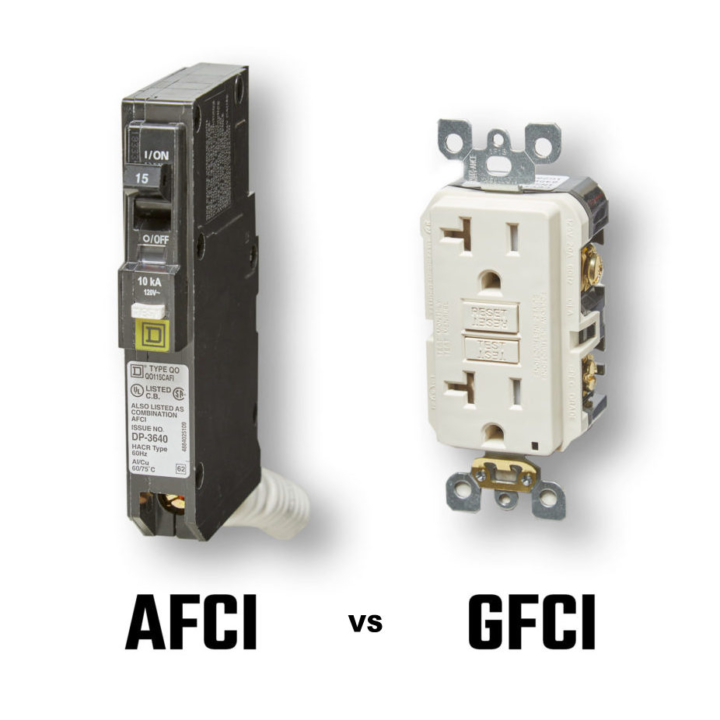
Two Types of Outlets That Could Save Your Life
Modern electrical codes require specialized outlets in certain areas of your home. These safety devices have prevented countless electrical fires and electrocutions since their introduction.
What is a GFCI Outlet?
Ground Fault Circuit Interrupter
A GFCI monitors the flow of electricity in a circuit. If it detects current flowing through an unintended path (like water or a person), it shuts off power in 1/40th of a second.
Where GFCIs Are Required
- Bathrooms
- Kitchens (near sinks)
- Garages
- Outdoors
- Basements
- Laundry rooms
- Near swimming pools
Testing Your GFCIs
Test monthly by pressing the TEST button. The RESET button should pop out, cutting power. Press RESET to restore power. If it doesn't work, the outlet needs replacement.
What is an AFCI Outlet?
Arc Fault Circuit Interrupter
AFCIs detect dangerous electrical arcs—sparks that can occur in damaged or deteriorating wiring. These arcs can ignite surrounding materials and cause fires.
Where AFCIs Are Required
- Bedrooms
- Living rooms
- Dining rooms
- Family rooms
- Closets
- Hallways
Updating Older Homes
Homes built before the 1970s may lack these safety devices. Upgrading to GFCI and AFCI protection is one of the most cost-effective safety improvements you can make.
Professional Installation
While GFCI outlets can sometimes be DIY projects, AFCI installation often requires working in the electrical panel. A licensed electrician ensures proper installation and code compliance.
SM Electric Services Corp has been upgrading San Fernando Valley homes with modern safety devices since 2008. Call (818) 300-2003 for a safety evaluation.
Need electrical help in LA County? Call SM Electric Services Corp at (818) 300-2003 or request a free estimate.